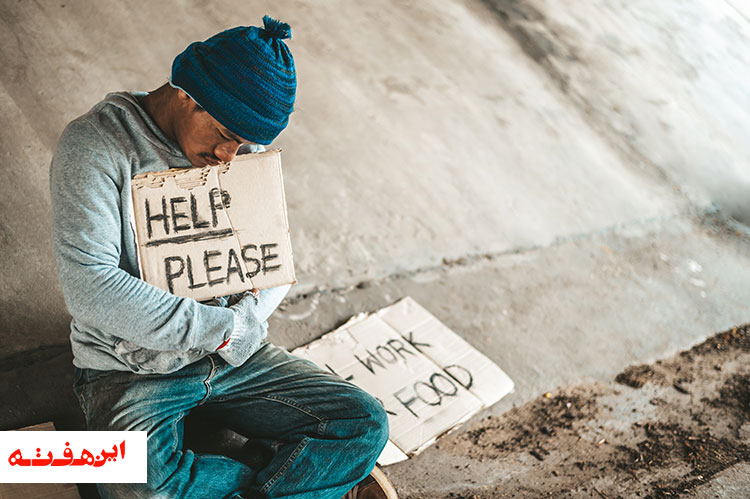
It smells like burnt plastic. The sharp autumn sun shines in his eyes and his fellow workers, who are lying on the bald-spotted, yellow grass in one of the squares leading to the city center. Here, the poverty line is sharp and slaughterous and Corona virus does not make sense for them, because hunger is more frightening than corona. The hunger that they feel in their bones every day and these days they are more embarrassed than ever before.
It is 7 o’clock in the morning and the grassless soil of the square sees these waiting looks every day. When you look at the circular heart of the square, it is full of crumpled people waiting for a piece of bread to make a living. People who seem to be stuck here, with sunburned faces and worried eyes.
Qassim’s gautn and toothless face is also a sign of an endless marathon of his life with Corona. His life became harder and more limited when Corona came in and he lost his job. Now he is also a guest of the sidewalks with which he flips through these dark days every day. Today, he has been unemployed for three months and 10 days and has spent every day in a way; from selling second-hand equipments to standing in the square to find an informal job, without any insurance and security though.
Digging Life’s Grave
The inhabitants of this street, like forgotten people, have neither a tangible past nor a bright future. The pandemic is digging their lives graves, people whose staple food is potatoes and bread, and if they are more luxurious, plus a few eggs.
Let’s Leave these workers in the square and search around Between the houses in the lower part of the city. Atiyeh’s house and her children also exemplifies extreme poverty. Her husband died under the influence of addiction two years ago, and now she is left alone with three children. her lunch is a cup of watery. she spends his life sewing, and after the recent inflation and Pandemic, she is not doing well in the business; not much demand, thus no money. Expensiveness is attacking brutally. Atiyeh dips small pieces of bread in curd and puts it in Asma’s mouth, Atiyeh’s youngest child. with bare and thin foot, even though she is 5, she is like a two-year-old child. Atiyeh turns her eyes to Ali and Somayeh, allowing them to eat. Children thrust the bites in their mouths without any delay.
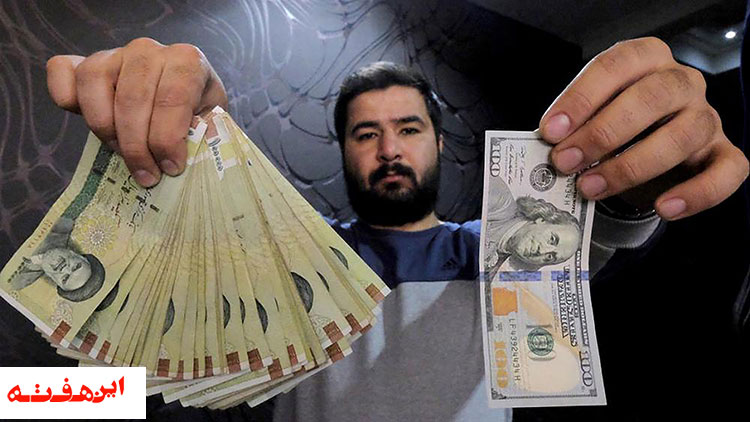
Life of Ali, Mohsen, Atefeh and many other workers is similar. Workers who now live below the poverty line. Workers who are either unemployed or earn $87 a month and can hardly make the ends meet. The days prices are trampling workers’ livelihood and meat, chicken and dairy are more luxurious foods than ever.
Subsistence Wage
“Hunger, Poverty, overthinking, tiredness… How do you think we might survive, when you are a tenant and your child wants to study in school?” Hassan says. He is a lathe worker and ideally earns 1.6 Dollars a day! “How do you think we make money? any job, it makes no difference”. Sheida’s sentences remain unfinished. her fingers soothe the cheeks so that tears do not wander: “I have recovered from addiction to have an honest life, now what can be done with a Subsistence Wage
with two children”?
her life, and that of others like her is destroying at a time when daily inflation is sharply rising, and governmental subsidies ($1.5, monthly) are no longer enough to support his life. It is sad and pathetic that about 60 million people in Iran are dependent on this subsidy. Vulnerable people whose only hope to survive down below the poverty line is this $1.5 they expect every month.
A cursory glance reveals that the food poverty line is affecting many people these days. Including those who have lost their jobs in the process of downsizing and joined the total of 9 million unemployed during the pandemic. However, in the last two years, meat has been practically removed from the Iranian tables and tuna fish, mushroom and soy has replaced meat consumption in the most optimistic prediction. This is while the price of tuna has nearly tripled during the last year. In fact, every Iranian family of four, assuming that they eat bread and butter for breakfast, Adas polo (lentils with rice) without raisins or minced meat for lunch and eggs and potatoes for dinner every day, have to spend about one million and 900 thousand tomans (nearly 70% of specified wage for workers) a month for these three meals.
60 millions under the poverty line!
According to Faramarz Adib, an Iranian economist, between 50 and 60 million people are now living below the poverty line, and the widening gap between poverty and wealth, the decline of the middle class, and the livelihood problems we face is crystal clear.
He talks about the situation and problems that these days, as the corona virus is spreading, have led to the transfer of factories to the quasi-government sector, most of which have been shut down and their workers have not been paid for months.
According to Adib, the governmental economy now dominates the economy and what is called privatization does not make much sense, because the real private sector does not have the budget and capital to buy the large private companies offered or even companies mentioned in Article 44 (b). Again, it is the quasi-governmental and transnationals companies that have appeared in the guise of real private sector, and now in these circumstances suffer great losses and forced to downsize. Accordingly, our economic growth is currently negative, and this indicates that our economy is shrinking.
Shrinking Economy
A small economy cutting family’s tablecloth. According to the Statistics Center of Iran, the average cost for a family of three to provide a food basket (2300 kcal per person), which means that on average, this family must spend one and a half million tomans per month, or one third of their expenses providing food.
But does that really happen? If we want to speak logically about people’s tables these days, the salary of a worker in Tehran should be at least 4 million and 600 thousand tomans, and 3 million and 800 thousand tomans in other cities.
With that in mind, there are six deciles have no support against their basic needs, and they simply have to cut their tablecloths in order to survive.