نویسنده: فاطمه توسلی

  • couponism

    couponism

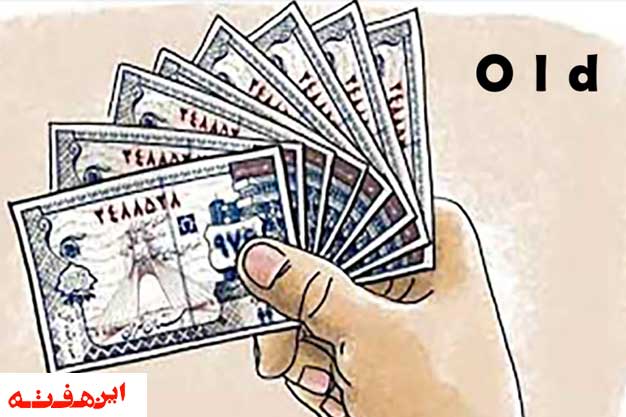
    According to this plan, the government is obliged to provide the basic necessary commodities using a coupon or an electronic card.

    «People» in this plan means «low-income Iranians» and «basic goods» include items such as rice, meat, eggs, oil, sugar and some of the most-needed medicines.

    M

    ohammad Khoshchehreh, professor of Faculty of Economics, University of Tehran, says: «I do not agree with the whole plan and I consider the urgency of the plan as a second or third-degree discussion. In my opinion, the plan approval show that the parliament has not recognized the priorities of economic issues, «Calling the method of distributing goods a coupon or something else is not an effective cure.»

    «Iran’s economy has suffered from serious damages and the macroeconomic variables of our economy such as prices level, exchange rate of U.S. dollar, economic growth rate and unemployment are simultaneously fluctuating. Although such high-urgency plans may act as temporary painkillers, but we need a set of healing remedies. Finding a proper solution to prevent the weakening process of our national currency value and overcoming obstacles facing by labor-productive industries are issues that need to be addressed. It is a passive, temporary and illogical action to deal with only a few items of goods as “basic goods”. No matter how effective this action is, I do not consider such measures as useful.»

    According to him, if hundreds of actions are categorized in one policy package that finally results in ten or fifteen really effective actions for Iran’s economic improvement, this plan of the parliament have no prominent place in this package. Regarding different deciles in Iranian society, about which a number of parliament members have talked, is a very low-level issue due to inflationary pressures and the weakness of the decision-making, policy-making and planning system and it does not mean that it requires a long time and considerable efforts. Thus, when the parliament prioritizes its plans in such a way, it shows that parliament lacks a deep and comprehensive understanding of society.

    On the other hand, Kamal Athari, a development economics researcher, defends Iran’s 11th parliament plan: «In the last few decades, hastily implementation of adjustment policies in Iran led to market-based sourcing of the society. In Europe, we see the market-based sourcing of the economy but not market-based sourcing of the society, and now it is said in social policy debates that the welfare state has been revived in Europe.

    T

    hat is why Europe has begun its economic recovery with € 750 billion, but the United States has so far spent $ 3 trillion on the economy damage caused by corona-virus outbreak. It means that, a stable social policy system in Europe has also minimized the social harms of European countries. This has happened in Iran, but since the necessary requirements have not been set for market-based sourcing of the economy, a rent-seeking economy with high inflation and very severe crises has emerged to rehabilitate the economy. Although a comprehensive welfare system must be established in these circumstances, which seems to be impossible in the current government though, the people will have difficulty in meeting their daily needs until then. Given the recent sanctions and unprecedented U.S. pressures on Iran, this issue will be even more severe. «Therefore, it is inevitable that the government will deal independently with the supply of basic goods.»

    According to this expert’s point of view one question pops up in our mind and that is what should be done in this situation for under-pressure low income families in Iran? Either the government should print money and give it to them, which will worsen the inflation situation, or it should give the currency it allocates to basic goods directly to the people. Such an action would result in less corruption, given the current systemic corruption. Of course, if this plan continues to be in effect, it will have unintended consequences, but in the long run, according to John Maynard Keynes, “everyone will die”, so you have to think of a solution NOW.

    T

    he middle class is now under severe economic pressures and is joining to low-income groups. In the current situation, the range of the lower deciles is expanding. This process is harmful for the middle class since most of the layers of the middle class are falling to the lower classes, and some layers of this class also take advantage of the opportunities created in the existing circumstances and join the upper classes. In general, the middle class is getting smaller and the range of low-income classes is expanding. As a result, major decisions are to be made to solve the mentioned problems.

    I

    t seems that importing basic goods with governmental exchange rate and providing them to socially vulnerable groups is not a fundamental solution either, because in the absence of strong monitoring systems, this means leaving it to renters and paving the way for creating coupon kings and then sue them in the court and convict them. But the trial of the sultans does not cure the pain of the people. In these circumstances, it is better to have a direct supply and it seems that couponism is not a way to cure our sick economy.

    T

    he return of coupons to improve the status quo has little room for consideration, and the revolutionary slogans of the parliament are not necessarily effective; The improvement of the economic situation must be for the benefit of all classes, including the declining middle classes. Furthermore the return of the coupon cannot stop the decline speed of this class, and it will certainly bring back a couponism lifestyle.

  • The Good the Bad and the Ugly

    The Good the Bad and the Ugly

    The virus has also bought new experiences like telework, which provokes a totally new meaning in Iran. The term is no longer new, but incomplete infrastructures prevent a successfully implementation of this workstyle. Although it has been unofficially reported that 86% of employees prefer telecommuting in this situation, but managers are not very satisfied with this method.

    N

    ew studies suggest that one-fifth of human resource managers believe that employees who work at home, showed a slightly higher standard in terms of work efficiency compared to when they work in the office, seven percent or more believe that they work with a dramatically higher standard when at home. However, employees are less optimistic about this idea, and only 15% believe that telecommuting provides a higher standard.

    H

    owever, almost half of both groups i.e. 49% of HR decision makers and 45% of employees think that this type of work has no effect on the output. In fact, only 27% of HR decision makers think that employees who work from home offer a higher standard of work compared to when they do the same job in the office. About 20% of both groups think that the standard of work produced by the employees is three percent lower than the expected standards for working at home compared to the office. 45% of employees of companies that work with home policies also think that their workplace does not affect the quality of their output, and less than a quarter (22%) think that working from home improves their productivity. 70% of businesses encourage telecommuting while only 27% consider it as harmful. Both sides have their own reasons including improper infrastructure or staff limited capacity.

    T

    he opposition group believe that telecommuting requires a strong network of the Internet and technology which has been addressed around the world for many years. Some companies have such a robust infrastructure that not only they did not experience a shock due to the outbreak but they also, easily sent their employees to their home, even permanently. One good example is Microsoft, which announced that it is possible for the employees to work from home permanently with a proper authorization from their managers.  It is actually Microsofts imitation of its tech rivals Facebook and Twitter, which have made telecommuting a permanent choice for their employees.

    H

    owever, despite the fact that most of the research activities in the world are telecommuted, such a plan can not be implemented for banks, insurance companies, education and service organizations, because it still requires a more extensive technology and our country has not yet been able to telecommute its employees by good training and trust building.

    A

    ccording to Sattari, the CEO of a large company, telecommuting cannot be done properly until the expected trust between the employers and employees is established. According to this employer, implementing such a plan without the expected trust requires a great increase in monitoring activities, thus increasing organization costs. Ultimately the initial goal of reducing costs, backfire disastrously.

    T

    he CEO of another private company agrees: “at the beginning of Coronavirus outbreak, many companies agreed to telecommute their employees for a while, but the idea didn’t continue for a long run. There were many reasons, including the lack of a proper Internet infrastructure with many interruptions in connections. It has caused many employees to spend all their day-time working, therefore creating many serious problems for the families. On the other hand, the inefficiency of communication infrastructure has caused major concerns among companies and organizations in terms of telecommunications efficiency. Therefore, after the end of the government’s restrictions, despite the high prevalence of Covid-19 and most of the provinces in the red zone, we see that there is no support for telecommuting even in jobs where telecommuting is a possible option. Highlighting that «Unfortunately, there is no clear solution to this issue,» he added «with the present quality of ISPs, telecommuting can not be relied on unless you can change your ISP».

    F

    urthermore, many experts believe that lack of specific telecommuting laws in our country causes businesses, organizations and even employees to not be properly aware of telecommuting administrative rules such as leave, overtime and check-in /check-out times. These issues can lead to some inconsistencies and misunderstandings. Lack of sufficient computer equipments is another problem of telecommuting. A personal computer and laptop are essential basic tools for telecommuting. Due to unbelievable price of computer equipments, many employees do not have a suitable computer system appropriate for their job situation. In addition to many other hidden factors, this make telecommuting, at least in our country, not a really good option.

    S

    ome, however , say that there are solutions for these concerns, including managers’ attention focused on the output of their employees instead of evaluating their working hours. this output can determine the development and responsibility of employees and as a result the workplace or home becomes a result-oriented place that leads to promotion, development and excellence.

  • Loaded Government, Gaunt Nation

    Loaded Government, Gaunt Nation

    Mahmood Ahmadinejad is still an influencer figure in social media or news agencies and still plays his part in the society. Once being asked about the reason behind the high price of tomatoes, he, as a president, said “come and buy tomatoes from our neighbor’s grocery store, don’t let them overcharge you”!!!

    When we remember these words, a big question comes to mind: why do we really line up when we see that for example frying-oil got scarce or decide to hoard eggs when there is a surge in its price? Why don’t we go to the neighborhood of our authorities whose valuable words are still out there? Why not go to a place where everything is ridiculously cheap?

    When you look into the calendar, you’ll stop reasoning soon. From last August to this July, we realize a bitter truth. Prices have ride on expensiveness horses unceremoniously and surged so radically to a point that today we witness seven items have risen in price by 20 to 100 percent, and nine other staples that have grown by 16 to 20 percent.

    This is where we easily realize that the inflation knot is getting more tightened every day. These days, the scarcity of some basic commodities such as frying-oil, butter, rice, sugar, and their doubled price after being recharged in the market is like a joke, not funny at all though. According to the official statistics of the Central Bank, during 2018 and 2019, the inflation rate was about 31.2% and 41.2% respectively. Although many economists believe that the central bank’s statistics show a significant difference in economic indicators, but based on these official statistics, we can understand the rapid growth of inflation over a single year. At the same time in 2019, the central bank announced that inflation reached its maximum since 1995.

    But the situation is even worse between March and June 2020, the statistics and numbers in these months are more than ever and the indicators nearly meet the number 50 and show a steady upward trend. Interestingly, this increase in inflation has not created a boom in production, and the central bank has always stated that we will go back to a 22% inflation.

    Talking about the urgent need to pay attention to the ill economy is now pointless while Corona eradicated one third of jobs and exposes many to bankruptcy, and the government does not intend to lose weight; talking about recovery of economy makes no sense. If in Ahmadinejad’s era, we could spend 10 thousand tomans monthly on meat, fruit and food, now with a minimum salary of 2 million and 800 thousand tomans ($ 93.3 a month), we can not buy meat, pay the house rent or pay the installments, the only possible act is to make ends meet. Given the rising prices for housing, Bahar azadi coin, exchange rates, cars, pistachios, nuts, meat, egg, fish, dairy and now tomatoes and fruits, even making ends meet will not be that easy.

    Interestingly, the Statistics Center of Iran is not content with an inflation rate of 22 percent and has announced an inflation rate of 26 percent in September based on 2016. On the other hand, the Central Bank unofficially announced the inflation rate of 41.2 percent in March, and if the real inflation rate is similar to and more than this number, achieving 22 percent inflation will not be that easy. It seems that the statistics have not yet agreed on a sincle inflation rate and each has its own version of this much-debated index. So, in this situation, the best indicator to understand the real inflation in the country is the exchange rate as well as the basic commodities price in the market.

    Basic goods that have their own narrative and their price numbers do not lie. They are clearly and comfortably placed in the household basket and talk about the poverty that has dragged the middle classes of society down and turned them into the poor and lower class.

    Meanwhile, many labor activists have repeatedly said that the livelihood of 70% of the population is shrinking. Unofficial statistics show that only 30 percent of the population (working-class family) has access to a basic needs, and the rest live in absolute poverty. Many believe that expansionary policies can overcome inflation, but Teymoor Rahmani, an Iranian economist, believes that managing inflation in Iran is totally different from the rest of the world.

    «The main solution to treat inflation in different countries is to control aggregate demand by regulating the price of money,» he said. “However, the prevailing point of view in Iran is still focused on controlling the monetary base and liquidity in short term.”

    Teymoor Rahmani believes that the solution to control inflation has been identified in many countries, and currently this solution, i.e. controlling aggregate demand by adjusting interest rates, has been responsive, but as I mentioned, inflation management in Iran is different from other countries.

    However, many economists believe that economic planning cannot be accomplished by ignoring or simplifying existing facts. It is said that this rule also applies to inflation; Targeting 22% inflation is also good in theory, but not practically achievable; Because it is not possible to reduce inflation in a prescriptive manner. In general, inflation is a function of other variables, such as the exchange rate; Inflation is significantly affected by rising prices for goods and services. However, inflation in the middle of 2021 is a function of the exchange rate and does not correspond to the current economic conditions, and therefore, we can not hope to reduce inflation, which is crushing the poor and middle classes.

  • آبی بر آتش خشکسالی اصفهان

    آبی بر آتش خشکسالی اصفهان

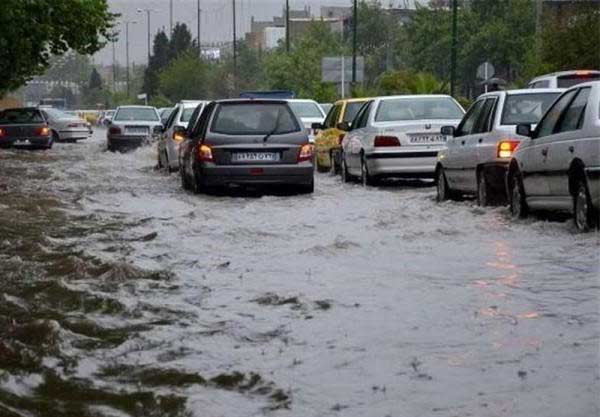
    گرفتگی معابر و جاری شدن آب در کوی و برزن موضوعی که با بارندگی های شدید تبدیل به یک عادت و امری عادی شده است. آب های سطحی که می تواند برای اصفهان بی آب نقش کیمیا را داشته باشد. شاید این فیلم گویای همین واقعه است. بارندگی چند روز پیش معابر اصفهان را پرآب کرده و خطوط بی آرتی هم از این پدیده دور نمانده. شاید مسئولان باید بیشتر به فکر آب های سطحی باشند که می تواند نقش مهمی در کاهش و کمبود منابع آبی داشته باشد. آب های سطحی که اگر شریان های اصلی شهر را قفل کنند باعث بحران های بزرگی خواهند شد.

  • توسعه سامانه های خورشیدی در شهرک های صنعتی اصفهان

    توسعه سامانه های خورشیدی در شهرک های صنعتی اصفهان

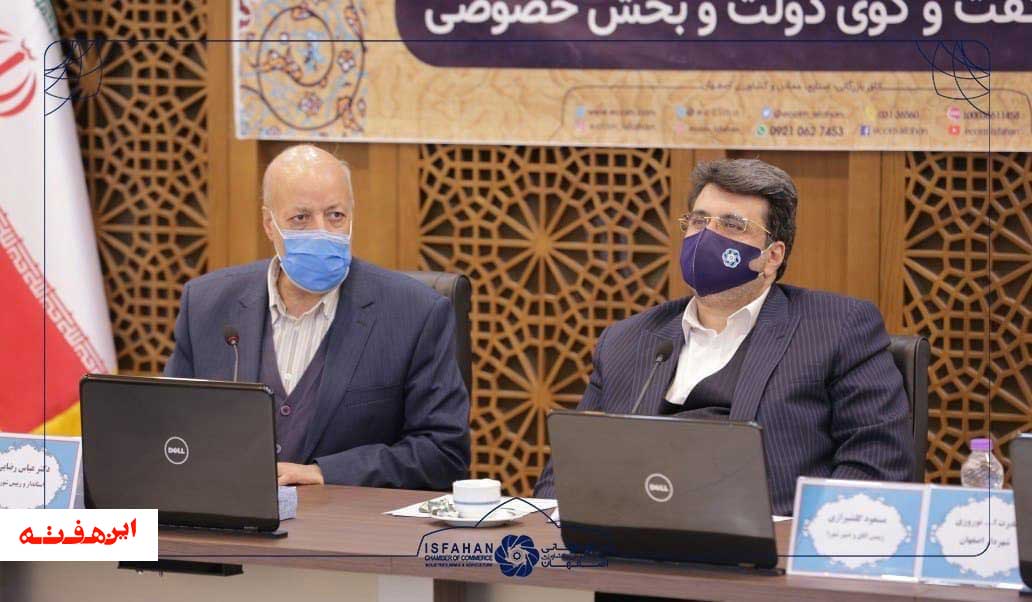
    به گزارش اینهفته به نقل از روابط عمومی اتاق بازرگانی اصفهان در این جلسه عباس رضایی، استاندار اصفهان در نظر گرفتن بودجه برای توسعه نیروگاه های کوچک مقیاس در استان را ضروری دانست و خواستار همت جمعی برای فرهنگسازی و اطلاع رسانی مناسب در این زمینه شد.
    مهدی طغیانی، نماینده اصفهان در مجلس نیز بر ضرورت فراهم ساختن ساز و کاری برای ایجاد انگیزه برای ادارات دولتی و بخش خصوصی به منظور ورود به این حوزه تاکید کرد.

    یارانه های کور، مانع توسعه انرژیهای پاک در کشور

    سید حسن قاضی عسگر، معاون هماهنگی امور اقتصادی استانداری اصفهان نیز یارانه های کور را سبب جلوگیری از توسعه انرژیهای پاک در کشور دانست و افزود: خریداری برق تولیدی از روش های سبز با 90درصد قیمت صادراتی، ورود به این مقوله را برای سرمایه گذاران توجیه پذیر می نماید.

    ایجاد صندوقی برای واریز جرایم آلایندگی

    در ادامه بهرام سبحانی، نایب رئیس اتاق بازرگانی اصفهان خواستار استفاده هدفمند از درآمدهای حاصل از قانون عوارض آلایندگی شد و پیشنهاد ایجاد صندوقی به منظور واریز جرایم آلایندگی به این صندوق برای کمک به رفع آلایندگی های استان را ارایه کرد.

    الزام واحدهای صنعتی به تولید انرژیهای تجدید پذیر

    همچنین نعمت اله اکبری، رئیس سازمان مدیریت و برنامه ریزی استان اصفهان با اشاره به ارزان بودن قیمت انرژی در ایران گفت: یک واحد تولیدی در کشور 7برابر متوسط دنیا در حال مصرف انرژی است. وی ضمن تاکید بر ضرورت ایجاد انگیزه لازم برای ورود بخش خصوصی به این مقوله، الزام واحدهای صنعتی تازه تاسیس برای تولید انرژیهای تجدید پذیر را در توسعه استفاده از این ظرفیت موثر دانست.

    در نظر گرفتن مشوق هایی برای تولید انرژیهای تجدید پذیر

    اصغر اخوان مقدم، عضو بخش خصوصی شورا و عضو هیات نمایندگان اتاق اصفهان نیز با بیان اینکه راه اندازی ساز و کار تولید انرژیهای تجدید پذیردر واحدهای صنعتی با استفاده از سرمایه در گردش برای فعالان اقتصادی امکانپذیر نیست، افزود: استفاده از تسهیلات بانکی برای راه اندازی این پنل ها در واحدهای صنعتی و احساس تفاوت قیمت برق از این طریق، مشوقی برای صاحبان کسب و کار خواهد بود.
    در ادامه اکبر لباف، عضو هیات نمایندگان اتاق اصفهان خواستار تلطیف قوانین مزاحم موجود در شرکت شهرک های صنعتی شد و افزود: اعطای مبلغی از محل خزانه به واحدهای صنعتی برای تولید انرژی تجدیدپذیر در توسعه این مقوله موثر است.

    ضرورت تخصیص اعتباری از محل اعتبارات تبصره 18

    محمدجواد بگی، مدیرعامل شرکت شهرک های صنعتی استان اصفهان نیزضمن تاکید بر ضرورت تخصیص اعتباری از محل اعتبارات تبصره 18 برای تولید انرژیهای تجدیدپذیر در واحدهای صنعتی، از ایجاد طرح های تشویقی برای واحدهای صنعتی که اقدام به تولیدبرق از طریق انرژیهای تجدید پذیر می کنند خبر داد.

    وجود 45 نیروگاه 40 تا 100کیلوواتی زیبنده اصفهان نیست

    همچنین حمید علاقمندان، مدیرعامل شرکت توزیع برق استان با بیان اینکه به واسطه نیاز به سرمایه گذاریهای سنگین برای راه اندازی مزرعه های خورشیدی در کشورکه عمدتا از خارج از کشور انجام می گرفت، همچنین نوسانات ارزی صورت گرفته، در شرایط کنونی راه اندازی انرژیهای خورشیدی مقیاس بزرگ وجود نداشته و ما خواستار توجه ویژه بخش خصوصی برای راه اندازی سامانه های خورشیدی مقیاس کوچک هستیم، افزود: باید توجه داشت که طبق آمار موجود در جهان هر ساله تولید برق زیر صد کیلو ولت در حال سرعت گیری بیشتر است.
    علاقمندان تصریح کرد: تاکنون 815 مگاوات نیروگاه بزرگ و کوچک ایجاد شده که این معادل 2درصد برق مصرفی کشور است.
    وی افزود:با وجود اینکه در مرکز ایران باتوجه به 300 روز آفتابی، پتانسیل انرژیهای خورشیدی نسبت به دیگر نقاط کشور بالا می باشد، دراصفهان مجموعه برق تولیدی در شرکت توزیع برق منطقه ای استان و شهرستان حدود 25مگاوات در حالی است که این رقم با چشم انداز پیش بینی شده 5هزارمگاوات در سال 1400 فاصله زیادی دارد.
    مدیرعامل شرکت توزیع برق استان گفت: درحال حاضر دولت هر کیلو وات ساعت برای نیروگاه های مقیاس کوچک را 1040 تومان خریداری می نماید. وی در پایان سخنان خود افزود: در استان اصفهان 45 نیروگاه 40تا 100کیلو واتی وجود دارد که این میزان زیبنده استان صنعتی اصفهان با وجود 80شهرک صنعتی نیست.

    انعقاد قراردادهای تضمینی 20 ساله با تولیدکنندگان نیروگاه های خورشیدی کوچک مقیاس

    حمیدرضا پیرپیران، مدیرعامل شرکت توزیع برق شهرستان نیز از انعقاد قراردادهای تضمینی 20 ساله برخوردار از نرخ تعدیلی هر ساله با تولیدکنندگان نیروگاه های خورشیدی کوچک مقیاس خبر داد .

  • “به نوجوان گفتن از نوجوان شنیدن” گفتمانی آنلاین ویژه نوجوان و والدین

    “به نوجوان گفتن از نوجوان شنیدن” گفتمانی آنلاین ویژه نوجوان و والدین

    به گزارش اینهفته ؛ مدیر دفتر تخصصی نوجوان با اعلام این خبر گفت: این گفتمان به صورت آنلاین از سوی دفتر تخصصی نوجوان وابسته به سازمان فرهنگی اجتماعی ورزشی شهرداری اصفهان و با همکاری مناطق 15 گانه شهرداری اصفهان برنامه ریزی شده که از ششم آذرماه آغاز شده و تا پایان سال به صورت تفکیکی ویژه دختران، پسران و والدین برگزار خواهد شد.
    صفیه سادات موسویان اظهار داشت: این برنامه قصد دارد شرایط و خصوصیات نوجوان، اتفاقات هیجانی و نابه هنگام و ناشناسی که در این دوران اتفاق می افتد را به او آموزش دهد که بتواند در مواجه با آن بهترین تصمیم را بگیرد تا آینده خوبی بسازد و با دیگران ارتباط خوبی داشته باشد.
    وی افزود: والدین نیز باید بدانند برای نوجوانان در این سن چه اتفاقی می افتد تا بهترین برخورد را داشته باشند، به خصوصیاتش پر و بال دهند و جلوی بعضی رویدادها را بگیرند.
    وی ادامه داد: این برنامه به صورت مجازی در فضای اسکای روم برگزار می شود و در پایان هر فصل سه گروه دختران، پسران و والدین همراه با اساتید این کلاس ها به صورت وبینار همگانی از گفته های اساتید مطرح کشوری در حوزه روانشناسی بهره مند می شوند.
    گفتنی است؛ علاقه مندان برای شرکت در این جلسات و کسب اطلاعات بیشتر می توانند با شماره 09305113419 تماس حاصل کنند.

    "به نوجوان گفتن از نوجوان شنیدن" گفتمانی آنلاین ویژه نوجوان و والدین
     
  • پارکینگ بیمارستان عسکریه در اختیار شهروندان قرار گرفت

    پارکینگ بیمارستان عسکریه در اختیار شهروندان قرار گرفت

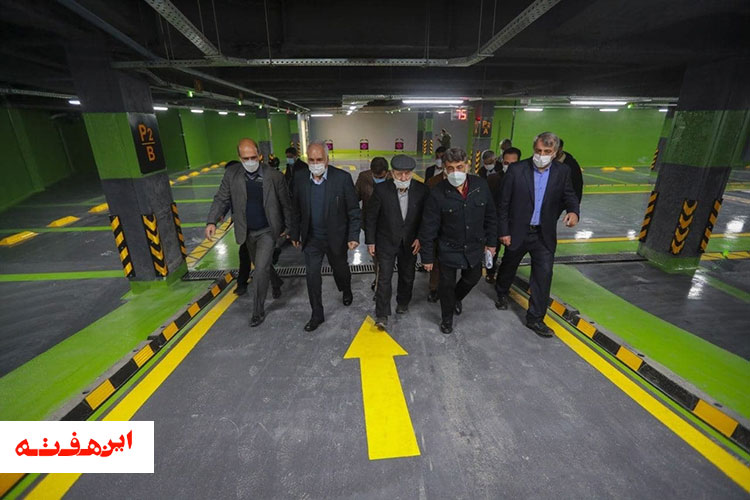
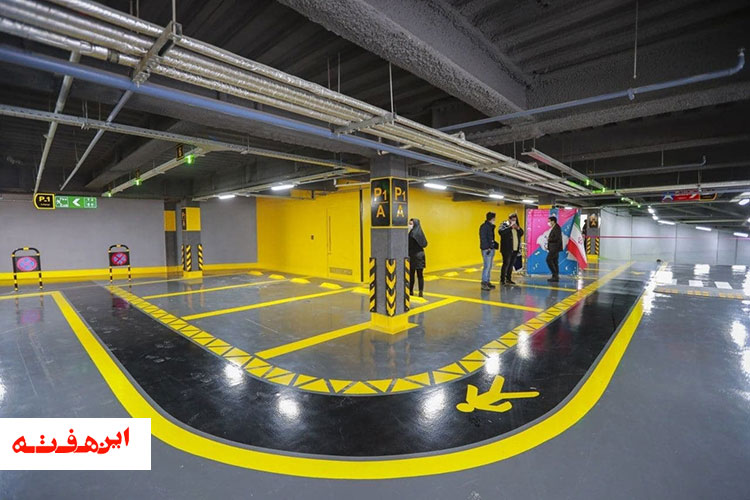
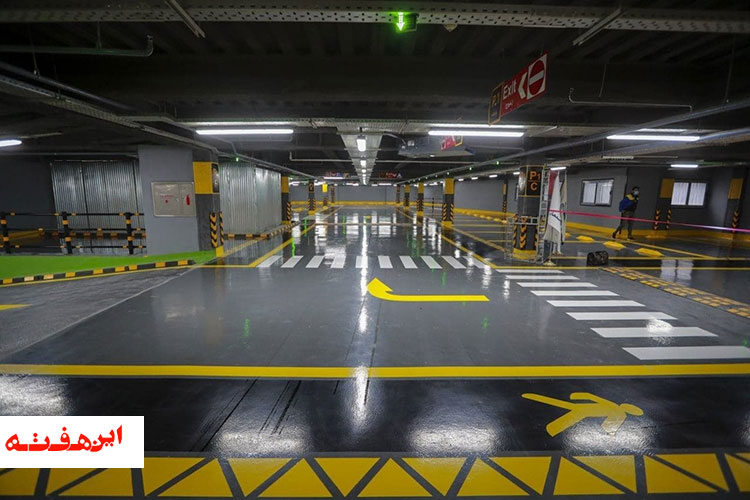
    به گزارش اینهفته به نقل از اداره ارتباطات رسانه ای شهرداری اصفهان، در ادامه برنامه های «هر یکشنبه، یک افتتاح» پارکینگ طبقاتی خیابان عسکریه با مشارکت بیمارستان عسکریه، جنب این مرکز درمانی با ظرفیت ۲۳۰ خودرو یکی از پروژه‌هایی است که برای احداث و آزادسازی آن ۲۰۰ میلیارد ریال صرف شد و امروز در اختیار شهروندان قرار گرفت. این پارکینگ دارای کفپوش کامل اپوکسی، دارای اسکلت فلزی ضد زلزله، دارای عایق ضدحریق و مجهز به سیستم هوشمند جای پارک است.
    تملک و احداث خیابان مصلی (حدفاصل میدان شهید فهمیده تا چهارراه فرسان) به طول ۲۷۰ متر و عرض ۲۴ متر از دیگر پروژه‌های بهره‌برداری شده در منطقه ۱۰ به شمار می‌رود که برای احداث و آزادسازی آن ۲۰۰ میلیارد ریال اعتبار صرف شده است.
    همچنین پروژه کلکتور شرقی- غربی و مخزن آب یک هزار متر مکعبی گل نرگس با مساحت شش هزار و ۵۰۰ متر نیز با ۷۰ میلیارد ریال اعتبار برای احداث و آزادسازی، در این منطقه به اتمام رسیده است که نقش مهمی در استفاده از آب های خاکستری دارد.
    پیاده روسازی خیابان صباحی با مبلغ ۱۵ میلیارد ریال و پیاده روسازی خیابان پروین با مبلغ ۱۰ میلیارد ریال از دیگر پروژه‌هایی است که امروز در منطقه ۱۰ مورد بهره برداری قرار گرفت.
    پارک پروین واقع در خیابان پروین، نبش خیابان شیخ طوسی شرقی با مبلغ پنج میلیارد ریال اعتبار نیز ساماندهی شد و در اختیار شهروندان قرار گرفت.
    به دلیل شرایط کرونا افتتاحیه این پروژه ها در صحن شورای اسلامی شهر و با حضور رییس و اعضای شورا و مدیران شهری انجام شد.

    *سیاست عدالت فضایی شهرداری اتفاقات خوبی را در شهر رقم زده است

    شهردار اصفهان در حاشیه این برنامه اظهار کرد: در تداوم برنامه “هر یکشنبه یک افتتاح” چندین پروژه در منطقه 10 افتتاح شد که بزرگترین آن پارکینگ مشارکتی شهرداری و بیمارستان عسکریه است.
    قدرت اله نوروزی افزود: سبک ساخت، تجهیزات و طراحی این پارکینگ با استانداردهای بسیار مناسبی است.
    وی با بیان اینکه امروز بالغ بر 50 میلیارد تومان پروژه در منطقه ده مورد بهره برداری قرار می گیرد، ادامه داد: کلکتور شرقی غربی، مخزن آب هزار مترمکعبی، پیاده راه سازی خیابان پروین و فرسان، آزادسازی ها و تعریض خیابان ها از جمله دیگر پروژه هایی است که در منطقه 10 با تلاش زیاد مدیریت منطقه و هماهنگی های صورت گرفته مورد بهره برداری قرار گرفته است.
    وی اضافه کرد: روندی که در حوزه جذب سرمایه گذاری ها و مشارکت ها صورت گرفته باعث می شود در آینده نیز شاهد افتتاح پروژه های متعدد دیگری باشیم.
    نوروزی با بیان اینکه عدالت فضایی در شهر به خوبی مورد توجه قرار گرفته و مسیر خوبی را طی می کند، تاکید کرد: این سیاست باعث رقم خوردن اتفاقات و تحولات خوبی در مناطق کمتر برخوردار از جمله منطقه 10 شد.
    وی اضافه کرد: امروز با شعار عدالت فضایی شاهد رقم خوردن تحولات اساسی در منطقه حصه هستیم؛ عبور بخشی از رینگ چهارم از منطقه موجب تحرک، توسعه و بازشدن گره های کور این منطقه و رفاه بیشتر مردم می شود.

    پارکینگ بیمارستان عسکریه در اختیار شهروندان قرار گرفت

    *منطقه 10 شهرداری در حال طی کردن مسیر رشد و ترقی است

    رییس شورای اسلامی شهر اصفهان نیز با اشاره به افتتاح پروژه‌های منطقه ۱۰ شهرداری در قالب «هر یکشنبه، یک افتتاح» ادامه داد: با توجه به شرایط موجود، امروز پروژه‌های این منطقه افتتاح و کلنگ‌زنی می‌شود که برای سرانجام رسیدن آن ماه‌ ها و سال‌ها زحمت کشیده شده است.
    رئیس شورای اسلامی شهر اصفهان بر لزوم رعایت پروتکل های بهداشتی در برنامه های مختلف تاکید کرد و افزود: محدودیت‌هایی که باید برای رعایت موازین بهداشتی رعایت می ‌شد، مانع از حضور مردم و مدیران در مراسم افتتاحیه هفتگی پروژه‌های شهری شده است.
    وی با بیان اینکه منطقه ۱۰ در حال طی کردن مسیر رشد و ارتقای خود است، تاکید کرد: تالار هنر و فرهنگسرای دکتر شریعت در شهرداری منطقه ۱۰ آماده بهره‌ برداری است اما تجهیز این دو پروژه باقی مانده که به ‌زودی این امر نیز محقق می ‌شود.

    *پروژه های متعدد دیگری تا پایان سال در منطقه 10 به بهره برداری می رسد

    مدیر منطقه 10 شهرداری اصفهان نیز در خصوص بهره برداری از این پروژه ها اظهار کرد: در راستای برنامه “هر یکشنبه یک افتتاحشهرداری اصفهان در این یکشنبه شاهد افتتاح چندین پروژه عمرانی، خدماتی، فرهنگی و حوزه حمل و نقل در منطقه 10 هستیم.

    حمید شهبازی تصیح کرد: از مهمترین پروژه هایی که توسط شهردار و شورا مورد بهره برداری قرار گرفت احداث پارکینگ طبقاتی بیمارستان عسکریه بود که با مشارکت شهرداری منطقه و هیات امنای بیمارستان احداث شد و در اختیار شهروندان قرار گرفت.
    وی با اشاره به احداث خیابان مصلی، افزود: احداث این خیابان از درخواست ها و مطالبات چندین ساله مردم منطقه بود، این خیابان با اعتباری بالغ بر 20 میلیارد تومان آزادسازی و تعریض شد که در اختیار شهروندان عزیز قرار گرفت.
    مدیر منطقه 10 شهرداری اصفهان اضافه کرد: پروژه هایی که امروز مورد بهره برداری قرار گرفت در راستای توجه به مناطق کمتربرخوردار بوده و خداراشاکریم که در سال جاری موفق شدیم پروژه های بسیار خوبی را رقم بزنیم.
    وی گفت: امروز شاهد این هستیم که بیش از 50 میلیاردتومان پروژه خدماتی، عمرانی، فرهنگی و ترافیکی مورد بهره برداری قرار گرفته و این نوید را به شهروندان عزیز می دهیم که تا پایان سال پروژه های متعدد دیگری نیز وجود دارد که در برنامه های “هر یکشنبه یک افتتاح” در زمان مقتضی به بهره برداری می رسد.
    شهبازی تاکید کرد: یکی دیگر از پروژه هایی که امروز عملیات اجرایی شد توسعه باغ بانوان طلوع است که در این اقدام 8 هزار متر مربع به مساحت این باغ اضافه می شود و در سال آتی تجهیزات و امکانات مورد نیاز استقرار می یابد تا بانوان محترم منطقه و سطح شهر بتوانند از این باغ استفاده بهینه کنند.

    پارکینگ بیمارستان عسکریه در اختیار شهروندان قرار گرفت

    *بیش از 500 میلیارد تومان پروژه مشارکتی در منطقه 10

    وی با بیان اینکه سال گذشته و امسال بیش از 500 میلیارد تومان پروژه مشارکتی در منطقه 10 شهرداری اصفهان رقم خورده است، افزود: علاوه بر این موارد پروژه های شاخص شهری مانند بخشی از حلقه چهارم حفاظتی شهر اصفهان نیز در منطقه در حال اجراست.
    مدیر منطقه 10 شهرداری اصفهان گفت: سه ایستگاه خط دو مترو شامل ایستگاه لاله، شاهد و قدس در منطقه 10 در حال اجراست و برای امسال بیش از 60 پروژه در منطقه 10 با رویکرد توجه به مناطق محروم پیش بینی شد تا این مناطق نیز دارای شرایط آرامتر و ایمن تری باشند.
    وی اضافه کرد: با توجه به بودجه 300 میلیارد تومانی در نظر گرفته شده برای سال 1400 منطقه، 120 پروژه پیش بینی شده که در زمان مقرر عملیات اجرایی این پروژه ها آغاز می شود.

  • پياده سازی چرخه مديريت بهره‌وری در سطح شركت ذوب آهن

    پياده سازی چرخه مديريت بهره‌وری در سطح شركت ذوب آهن

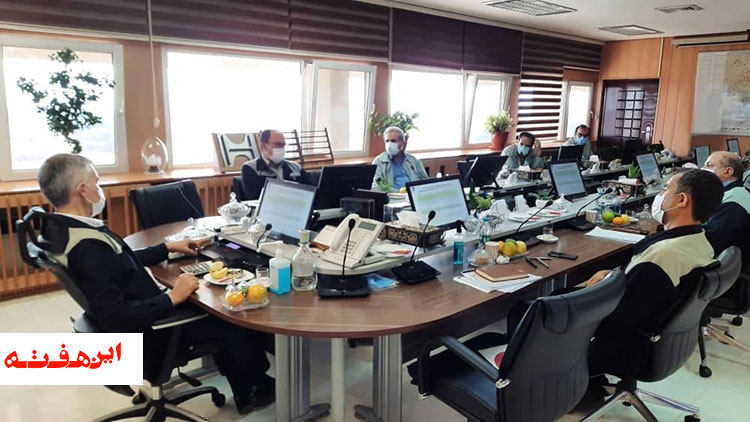
    به گزارش اینهفته؛ مرتضی ربانی مدیر برنامه ریزی و مهندسی صنایع ضمن بیان این خبر، چهار مرحله مذکور را بدین شرح بیان کرد: تعیین و اندازه گیری شاخص های کلیدی، تجزیه و تحلیل شاخص هاي بهره وري، شناسايي برنامه هاي بهبود و اجرای برنامه های بهبود .
    وی افزود: در جهت پياده سازی چرخه مديريت بهره وري ضمن تشكيل كميته اصلي بهره وري شركت به رياست مدير عامل، كميته هاي تخصصي مربوطه با هدايت معاونين ذي ربط بدین شرح تشكيل گرديد: كميته بهره وري مواد اوليه، كمتيه بهره وري انرژي، كمتيه بهره وري سرمايه، كميته بهره وري نيروي كار ، و كمیته بهره وري توسعه محصول و بازار .
    وی اظهار داشت: بر پايه سومين نشست كميته بهره وري شركت، در 26 آبان ماه به رياست مدير عامل ، مقرر گرديد كميته هاي تخصصي بهره وري با مشاركت واحدهای ذی ربط و تسهيل گری مديريت برنامه ريزی و مهندسی صنايع نسبت به تدوين و ارایه Action Plan برنامه های بهبود بهره وری اقدام نمايند.